📞Customer Service: +86 13248368268 📧servicecenter@suzhoufrank.com one year replacement and warranty!

Innovations in Endoscopy Scope Technology Today
Discover the latest innovations in endoscopy scope technology today, transforming diagnostics and enhancing patient outcomes with USB, mobile, and single-use endoscopes.
USB ENDOSCOPESUZHOU FRANK ENDOSCOPE
Fang Ming
11/4/20257 min read
The field of endoscopy has seen significant advances in recent years, with innovations that are revolutionizing the way medical professionals diagnose and treat patients. These technological developments are not only enhancing the capabilities of healthcare providers but also improving patient outcomes and experiences. The integration of cutting-edge technologies is providing a more comprehensive understanding of patient conditions, enabling earlier and more accurate diagnoses. In this article, we will explore the latest innovations in endoscopy scope technology, highlighting the contributions of various endoscopy companies and manufacturers. We aim to provide a detailed overview of how these advancements are shaping the future of medical diagnostics and treatment.
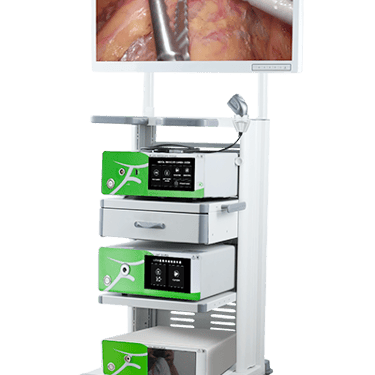
Endoscopy has been a cornerstone in medical diagnostics for decades, allowing doctors to view the inside of a patient's body without the need for invasive surgery. Traditionally, endoscopes were rigid and offered limited flexibility, which often posed challenges in terms of maneuverability and patient comfort. However, today's endoscopy equipment manufacturers have developed more sophisticated tools that provide superior image quality and maneuverability. This evolution has been driven by technological advancements such as miniaturization, high-definition optics, and enhanced lighting systems.
USB Endoscopes: A New Era of Connectivity
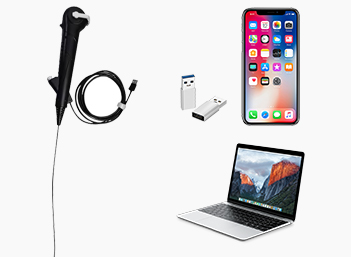
One of the most exciting advancements in endoscopy technology is the introduction of USB endoscopes. These devices can be connected directly to computers or mobile devices, allowing for real-time viewing and recording of procedures. This innovation has made it easier for doctors to share images and collaborate with colleagues remotely, enhancing the overall quality of care. USB connectivity also facilitates the integration of endoscopy data into electronic medical records, streamlining patient management and improving accessibility to patient information.
Moreover, USB endoscopes have democratized access to endoscopic technology, making it more affordable and accessible for smaller clinics and practices. The ease of use and cost-effectiveness of USB endoscopes are particularly beneficial in educational settings, where medical students can gain hands-on experience with modern diagnostic tools. This innovation is setting a new standard for how endoscopic procedures are conducted and documented, ultimately contributing to better patient care and outcomes.
Mobile Endoscopes for iPhone: Portable Solutions
In the quest for greater portability and convenience, mobile endoscopes for iPhone have emerged as a game-changer. These compact devices allow healthcare professionals to perform examinations and capture high-resolution images directly on their smartphones. This development is particularly beneficial for remote or emergency situations where traditional endoscopy equipment might not be readily available. The integration with smartphones also allows for easy sharing of images and videos with specialists, aiding in swift consultation and decision-making.
Mobile endoscopes are not only enhancing the efficiency of medical procedures but also opening up possibilities for telemedicine applications. With the ability to conduct endoscopic examinations in virtually any location, healthcare providers can extend their reach to underserved or isolated communities. This capability is crucial in situations where immediate medical attention is required, offering a lifeline to patients who might otherwise face significant barriers to accessing care.
Single-Use Endoscopes: Hygienic and Cost-Effective
Another significant innovation in endoscopy scope technology is the advent of single-use endoscopes. These disposable devices are designed to be used once and then discarded, eliminating the risk of cross-contamination and infection. Single-use endoscopes are gaining popularity in various medical settings due to their hygienic advantages and cost-effectiveness. They are particularly advantageous in environments where infection control is a top priority, such as intensive care units and operating rooms.
The Role of Endoscope Manufacturers
Endoscope manufacturers play a crucial role in driving innovation within the industry. Companies like Suzhou Frank Endoscope are at the forefront of developing new technologies that enhance the functionality and reliability of endoscopic devices. By investing in research and development, these manufacturers are paving the way for more advanced and accessible endoscopic solutions. Their efforts are not only focused on improving the technical aspects of endoscopes but also on making them more user-friendly and adaptable to different medical needs.
Moreover, manufacturers are increasingly collaborating with healthcare providers to tailor their products to specific clinical requirements. This partnership approach ensures that the innovations align with real-world medical challenges and improve patient care. By fostering a culture of innovation, endoscope manufacturers are contributing to the rapid evolution of endoscopic technology and its integration into diverse healthcare settings.
Advances in Endoscope Gastroscope Technology
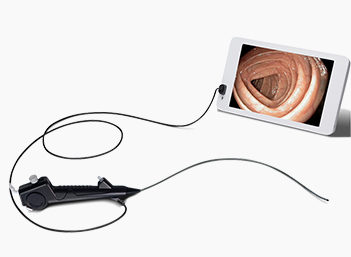
The gastroscope is a specialized type of endoscope used for examining the upper digestive tract. Recent advancements in this area have focused on improving image quality and maneuverability, enabling doctors to detect and diagnose conditions more accurately. These improvements are critical in diagnosing gastrointestinal disorders early, potentially reducing the need for invasive surgeries and improving patient prognosis.
Enhanced Imaging Capabilities
Modern endoscope gastroscopes are equipped with high-definition cameras and advanced imaging software, providing clearer and more detailed views of the gastrointestinal tract. This enhanced imaging capability allows for earlier detection of abnormalities, leading to more timely and effective treatment. The use of advanced imaging technologies, such as narrow-band imaging and chromoendoscopy, further enhances the ability to visualize subtle mucosal changes that may indicate disease.
Enhanced imaging not only aids in accurate diagnosis but also plays a vital role in patient education. By providing patients with clear, detailed images of their condition, healthcare providers can better explain the diagnosis and treatment options, fostering a more collaborative patient-caregiver relationship. This transparency can enhance patient compliance with treatment plans and improve overall health outcomes.
Improved Maneuverability
Endoscope manufacturers have also made significant strides in improving the maneuverability of gastroscopes. Flexible designs and ergonomic controls make it easier for medical professionals to navigate the complex anatomy of the digestive system, reducing the risk of discomfort for patients. Innovations such as variable stiffness and advanced torque control have further enhanced the ease of navigation, allowing for more precise and controlled procedures.
The improved maneuverability of modern gastroscopes also contributes to shorter procedure times and increased patient throughput. This efficiency is crucial in busy clinical settings, where time savings can translate into better resource utilization and reduced patient wait times. By enhancing both the patient experience and clinical efficiency, these advancements in gastroscope technology are setting new benchmarks in gastrointestinal diagnostics.
Portable Endoscopes: Versatility in Various Settings
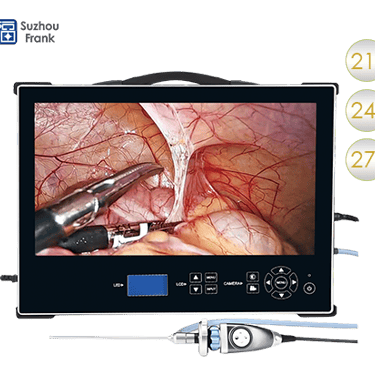
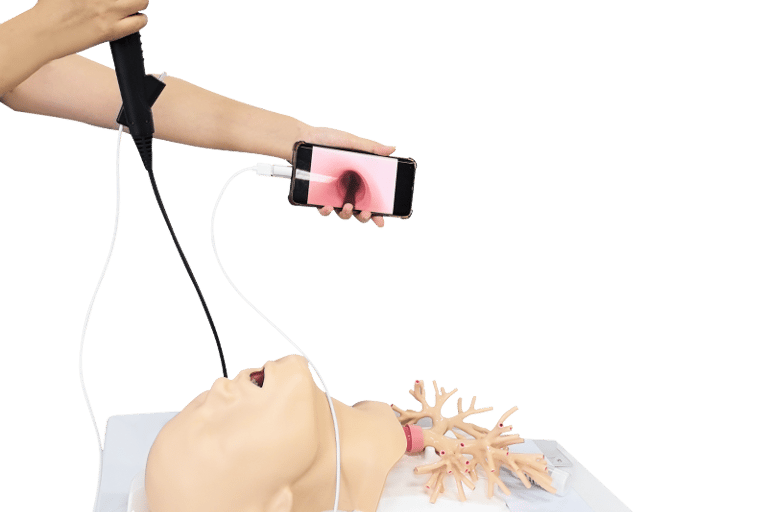
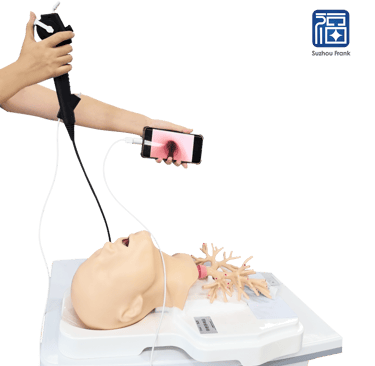
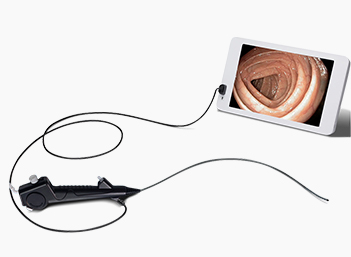
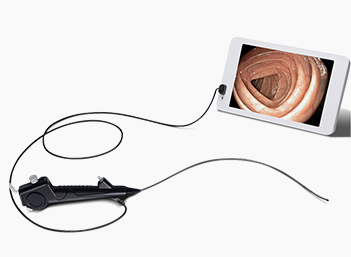
Portable endoscopes have become increasingly popular due to their versatility and ease of use. These devices are lightweight and compact, making them ideal for use in a variety of settings, from hospitals to outpatient clinics and even home healthcare environments. The portability of these devices is transforming how and where medical examinations are conducted, offering greater flexibility to healthcare providers and patients alike.
Advantages of Portable Endoscopes
The primary advantage of portable endoscopes is their mobility. Healthcare providers can transport these devices easily, allowing them to conduct examinations in different locations without the need for bulky equipment. This flexibility is especially beneficial in rural or underserved areas where access to medical facilities may be limited. Portable endoscopes enable healthcare professionals to reach patients who might otherwise face significant barriers to receiving timely care.
Furthermore, portable endoscopes are facilitating the expansion of telemedicine services, allowing specialists to perform remote diagnostics and consultations. By bridging geographical gaps, these devices are playing a crucial role in improving access to quality healthcare for populations that are traditionally hard to reach. The versatility and accessibility of portable endoscopes are thus contributing to more equitable healthcare delivery across diverse settings.
The Impact of Disposable Endoscopes on Healthcare
Disposable endoscopes are transforming the landscape of healthcare by offering a practical solution to some of the challenges faced by medical facilities. By eliminating the need for sterilization, these devices reduce the time and resources required for cleaning and maintenance, enabling healthcare providers to focus more on patient care. The simplicity of using disposable endoscopes also minimizes the risk of human error during reprocessing, further enhancing patient safety.
Economic and Environmental Considerations
While the use of disposable endoscopes may raise concerns about environmental impact, many manufacturers are working to develop sustainable materials and recycling programs to mitigate these effects. Additionally, the cost savings associated with reduced sterilization requirements and improved infection control can offset the initial expense of disposable devices. Healthcare facilities are increasingly recognizing the long-term financial benefits of adopting disposable technologies, particularly in high-volume settings where efficiency and throughput are critical.
Efforts to enhance the sustainability of disposable endoscopes are gaining momentum, with manufacturers exploring biodegradable materials and innovative recycling processes. By balancing the economic and environmental aspects, the healthcare industry is moving towards more sustainable practices without compromising on patient safety and care quality. This shift is indicative of a broader commitment to responsible innovation in medical technology.
The Future of Endoscopy Scope Technology
As technology continues to evolve, the future of endoscopy scope technology looks promising. Ongoing research and development efforts are focused on enhancing the functionality and accessibility of endoscopic devices, with the goal of improving patient outcomes and expanding the reach of medical care. The integration of novel technologies into endoscopic devices is expected to revolutionize the way medical procedures are performed and experienced by patients.
Innovations on the Horizon
Emerging technologies, such as artificial intelligence and robotics, are expected to play a significant role in the future of endoscopy. AI-powered endoscopes could assist doctors in identifying abnormalities more accurately and efficiently, while robotic endoscopes may offer even greater precision and control during procedures. These technologies promise to enhance the diagnostic capabilities of endoscopes, leading to earlier and more accurate detection of diseases.
In addition, advancements in virtual reality and augmented reality are poised to transform endoscopic training and education. By providing immersive and interactive learning experiences, these technologies can enhance the skills and confidence of healthcare professionals, ultimately benefiting patient care. The future of endoscopy is bright, with endless possibilities for innovation and improvement in healthcare delivery.
Conclusion
The innovations in endoscopy scope technology today are transforming the way healthcare professionals diagnose and treat patients. From USB and mobile endoscopes to single-use and portable devices, these advancements are enhancing the quality of care and improving patient outcomes. As endoscopy companies and manufacturers continue to push the boundaries of what's possible, the future of endoscopy holds exciting possibilities for the medical community and patients alike.
By staying informed about these developments, healthcare providers can ensure they are equipped with the latest tools and technologies to deliver the best possible care to their patients. The continuous evolution of endoscopic technology underscores the importance of embracing innovation to meet the ever-changing demands of modern healthcare. As we look to the future, the commitment to advancing endoscopic solutions will undoubtedly lead to improved health outcomes and a better quality of life for patients around the world.
© 2025. All rights reserved.
About Us
Introduction
Development
Cooperation
Service
Main Products
Medical Grade Monitor
No 15, Jinyang road KunshanSuzhou, Jiangsu, China